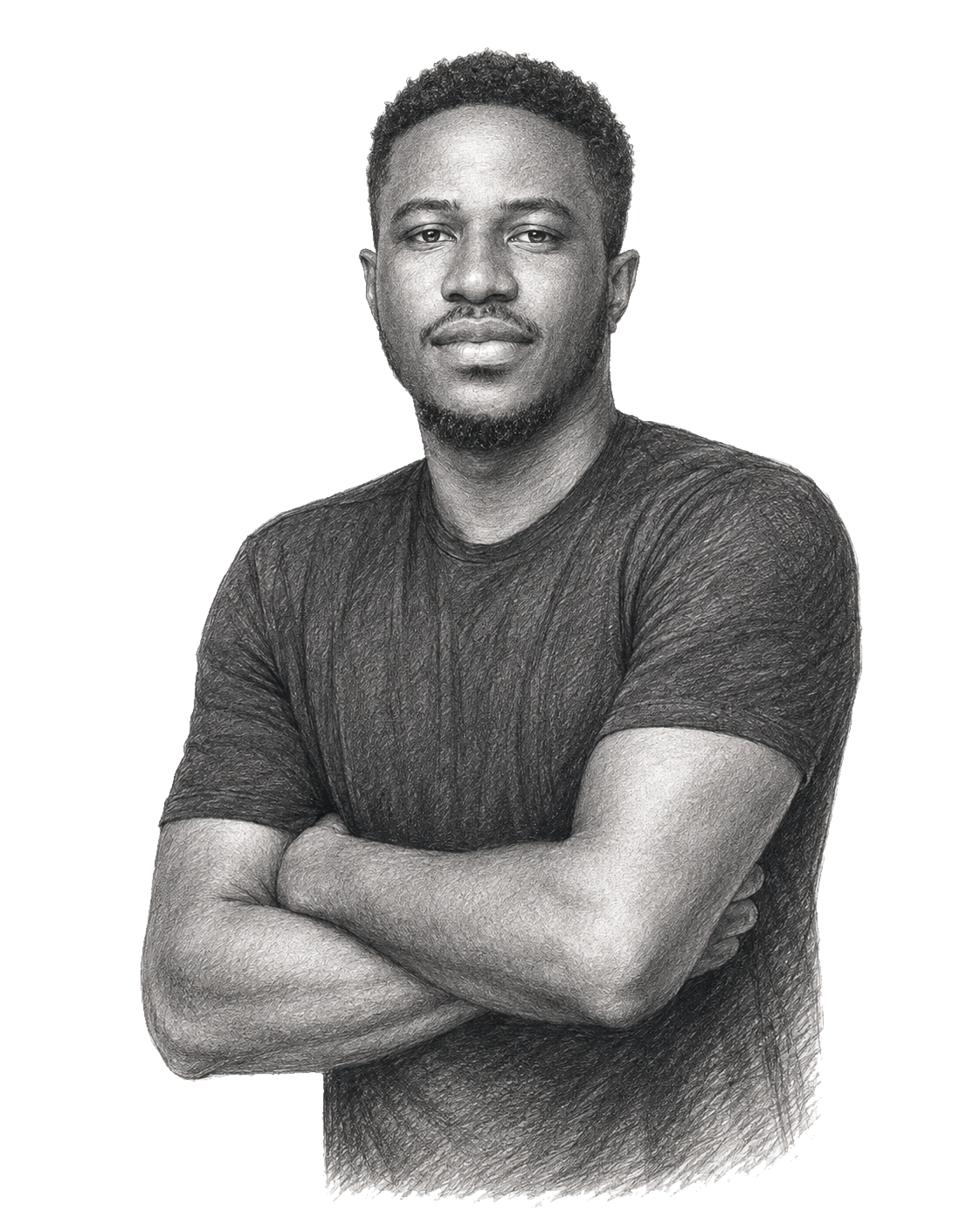
Fifteen years spent building companies, investing, teaching and researching at the point where finance meets technology in emerging markets.
I build and invest in technology-enabled businesses at the intersection of finance, markets and infrastructure, primarily in Africa. My work has increasingly focused on how new financial technologies move from experimentation into regulated, large-scale use.
Alongside operating companies, I research and teach around digital assets, economics, finance and innovation.
What tokenisation actually does to price, velocity and access, read through US dollar stablecoins as tokenised money in Nigeria’s parallel market. The reading layer lets you explore the argument, interrogate the findings, or examine the work as a regulator, founder, investor or academic.
There is a provocation buried inside every AI-generated song: that what we thought we were chasing in music was never actually what we wanted. The machine does everything correctly, and correctness turns out to be beside the point.
Read the essayMembers of founding teams have different roles to play. Still, regardless of their area of expertise, every entrepreneur will one day find themselves in that desperate position…
The only thing Nigerians can all agree on is that the country has many many problems. Most of these problems have simple solutions, but they are hard to solve because Nigerians as…
The crypto market is a wild place, and given how young the industry is and how I’m about 5 years into it, I can claim veteran status and opine somewhat authoritatively. I have…
If you grew up in Nigeria or spent any extended time anywhere there, you’ll eventually be desensitized to absurdities. Following the abduction of the Chibok girls 8 years ago, I…
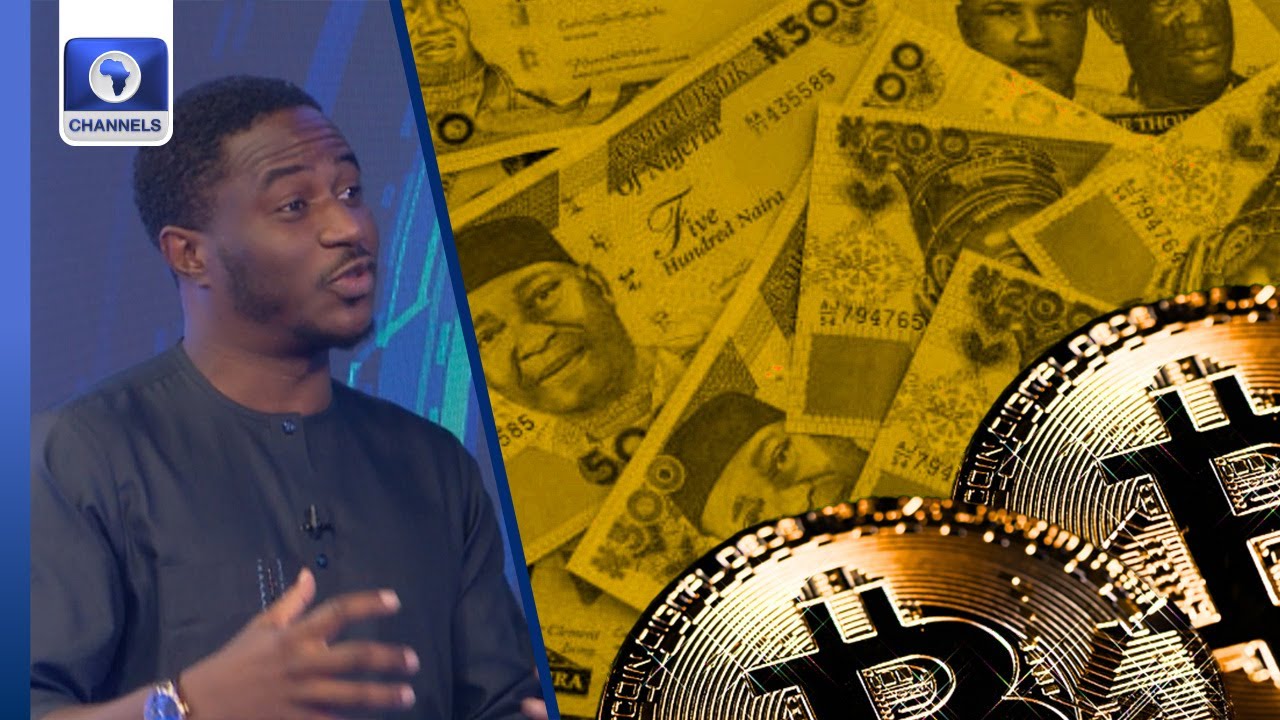
A primary role of Central Banks is managing the value of their local currencies. Depending on the specific dynamics of the economy, the Bank might be interested in strengthening,…
It is easy to conclude that certain countries or their nationals are intrinsically corrupt. After all, the word "corruption" has become meaningless to most Nigerians just because…
I’m still reeling from the circumstances leading to the #EndSARS protests and all the unfortunate developments since. The protests have been followed by reports of intimidation,…
Almost in cycles, there’s always a conversation on Twitter about sports betting. The most recent is one by a person who lost £447,880 over 12 years . These conversations are…
A long time ago, Martin Seligman , an American Psychologist, conducted a very interesting experiment. I’ll describe a simplified version: Two groups of dogs were placed in torture…
It’s been a tough year as the world battled a novel coronavirus. Governments all over sprung into action with difficult measures to protect their populations, and as global…
Since SureRemit announced a modified utility model for the RMT token , I’ve been attempting to visualize exactly how a deflationary token economic model would work (thanks to…
I know. It’s not a good time to use “Nigeria” and ‘scam’ in the same sentence, but it’s gotten too close to home and I think it’s worth talking about. I’m a very vocal promoter of…
I’ve been very reflective lately. It’s been a bit over 5 years since I got into this tech entrepreneurship thing, and recently, I’ve had the headspace to think about how I got…
In February, I observed the Nigerian presidential and governorship election week from Bangladesh . Bordering India and Myanmar, Bangladesh is the world’s eight most populous and…
Over the past few years, Initial Coin Offerings (ICOs) have challenged the way people think about venture-financing. Thanks to the power of blockchain, entrepreneurs all over the…
Earlier this week, my brother sent me a voice note asking me if I remember some words from an old football PC game: We didn’t have the full version of the game, so we could only…
Today, another bank in Nigeria distributed an anti-crypto e-mail to its customers. This one was a bit different, though. For the first time, I think, the bank threatened to impose…
February 2015 was a great month. It was finally time for the general elections in Nigeria and I was fired up. For once, it seemed like most Nigerians have reached consensus about…
I saw the comment and report above on Facebook and found it interesting. It was followed by this question: My Answer: Higher stakes. The implications will probably be less weighty…
My answer here: There are 1.2 billion people in Africa. There will be 2.4 billion by 2050 and that’ll be a quarter of the world’s population. Over the next few decades, not many…
My answer here: It's not really a lack of regard for women; it's more a complete disregard for people in general here in Nigeria. Yesterday, driving on my way to work, I caught a…
First appeared in Tech Africa. Peter Druker (1964) describes an entrepreneur as someone who searches for change, responds to it and exploits opportunities using innovation. Peter…
(Written in 2010) Half of a Yellow Sun This extraordinary book has been widely and aptly classed as one of the best novels from the African continent in recent times. It was set…
Occasional, unhurried writing on business, technology and life. No noise, just the next piece when it is ready.